
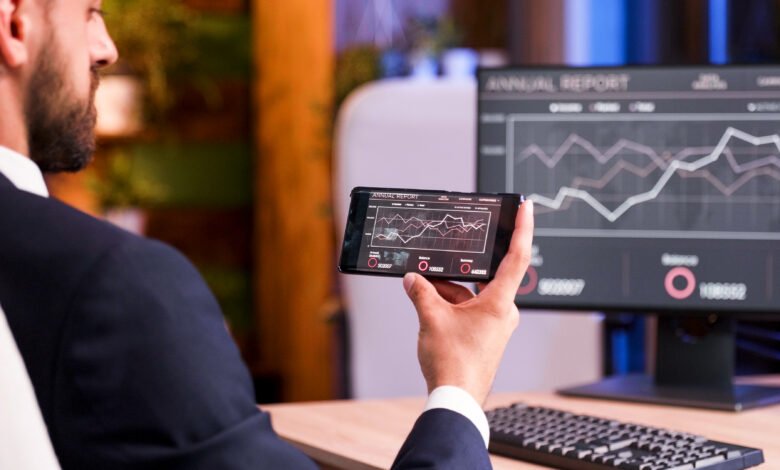
Market volatility, hidden risks, and information overload —investors face a myriad of challenges. Effective portfolio management is one of the only ways to meet your long-term financial goals.
That said, portfolio management is more than just tracking assets. It’s about making informed decisions, protecting yourself from market downturns, and ensuring compliance. And to do all this, you need powerful tools. This is where modern investment trackers come in!
Want to know more? Here are five key features you should look for in a modern investment tracker to secure your financial future:
- Multi-Asset Support
In 2026, the investment landscape isn’t limited to stocks and bonds. Therefore, it’s important to choose a portfolio tracker that can include a variety of asset classes. Modern investment trackers must support:
- Equities
- Derivatives
- Crypto and digital assets
- Alternative investments such as real estate and private equity
If you’re into crypto, iO Charts is an excellent tracker. It can offer deeper insight into companies and crypto projects. You can access 20 years of financial data to make informed investment decisions.
- Unified Dashboard
Active investors have a lot on their hands. The process of checking multiple accounts to see how your assets are performing is not only time-consuming but also unnecessary.
A modern investment tracker helps you skip this hassle. It monitors, consolidates, and analyzes your portfolio in one place. A well-designed tracker provides a single view of traditional assets, such as stocks, ETFs, and mutual funds, and alternative investments, including crypto, real estate, and NFTs.
Make sure the tracker has an easy-to-navigate dashboard with visualized asset allocation. This will help you visualize diversification across asset classes, sectors, or geographies.
- Tailored Insights and Analysis
As hinted earlier, a modern portfolio tracker should do more than just show how your assets are allocated. It should act like your personal investment advisor.
Personalized insights are a must-have. For instance, a tracker might use advanced algorithms to analyze individual user data to provide customized recommendations. This could mean shifting from bonds to equities.
Many tools provide professional-grade analytics, such as time-weighted returns and Sharpe ratios.
- Risk Assessment
Risk assessment is a key aspect of portfolio management. A reliable portfolio tracker makes risk assessment a breeze. It might offer simulations of market downturns that can help investors prepare for potential losses.
Other features include:
- Real-time market alerts
- Scenario analysis
- Stress testing
- Core risk metrics, such as Standard Deviation (volatility), Beta (market sensitivity), and Value at Risk (VaR)
While modern portfolio trackers are useful, they are not guarantees against losses. Therefore, always rely on your own insights and trend analysis.
- Robust Security Measures
Cybersecurity threats are more sophisticated than ever. For investors, their portfolios are their biggest assets. This is why it’s important to choose a tracker that uses robust security measures.
For instance, look for a tracker that encrypts your data and implements multi-factor authentication (MFA) to safeguard your financial information. This will also prevent unauthorized access if your password is ever compromised.